A medical helicopter struck the ocean twice shortly before another helicopter crashed off Santa Catalina Island last month, killing three people, according to preliminary findings released by federal investigators Thursday.
The National Transportation Safety Board’s initial report on the Sept. 30 crash of a REACH Air Medical Services helicopter details a separate incident involving a Mercy Air helicopter that departed Pebbly Beach Seaplane Base near Avalon about 45 seconds earlier.
The earlier incident was reported by the aviation-focused website TheDoctorMedic.com, which obtained an internal Air Methods safety report describing the Mercy Air pilot’s account of striking the water shortly after
takeoff.
Surveillance footage reviewed by NTSB investigators showed the Mercy Air helicopter lifting into a hover, turning north and departing before descending about 13 seconds later and touching the ocean twice, according to the federal agency’s initial report. The aircraft then climbed away and continued its flight to Harbor-UCLA Medical Center in Torrance.
The Federal Aviation Administration is investigating the Mercy Air incident separately, according to the Los Angeles Times.
“The FAA is aware of and looking into an incident involving a medical helicopter that departed from Catalina Island shortly before a different helicopter that crashed,” the agency told the newspaper.
The FAA did not immediately respond to a City News Service request for comment Thursday.
In the internal report, the Mercy Air pilot described difficulty maintaining visual references over the dark ocean while using night-vision goggles.
“I realized we had descended from 150 feet to 75 feet — made control corrections. I looked back in, felt a thump and spray under chin bubble. Obvious contact with water,” the pilot wrote.
In an Oct. 9 social media post, TheDoctorMedic.com reported that a more detailed internal account described the pilot becoming distracted by radio communications and a searchlight, losing outside visual references and failing to adequately monitor the aircraft’s instruments.
The post also reported that another Mercy Air aircraft had declined the flight because of weather conditions and that the pilot had declined a dispatch request to wait for the REACH helicopter to clear the helipad.
According to TheDoctorMedic.com, the pilot accepted responsibility for the incident. Those details from the internal report have not been independently verified.
Moments after the Mercy Air departure, the REACH helicopter took off from the same helipad with five people aboard, bound for Torrance.
According to the NTSB preliminary report, the helicopter climbed slightly before pitching nose-down and striking the ocean about eight seconds later.
Flight-tracking data showed the aircraft reached a maximum altitude of about 90 feet above sea level. Its final recorded groundspeed was approximately 65 knots, or 75 mph, with a descent rate of about 1,280 feet per
minute.
Witnesses described the conditions as a dark, moonless night.
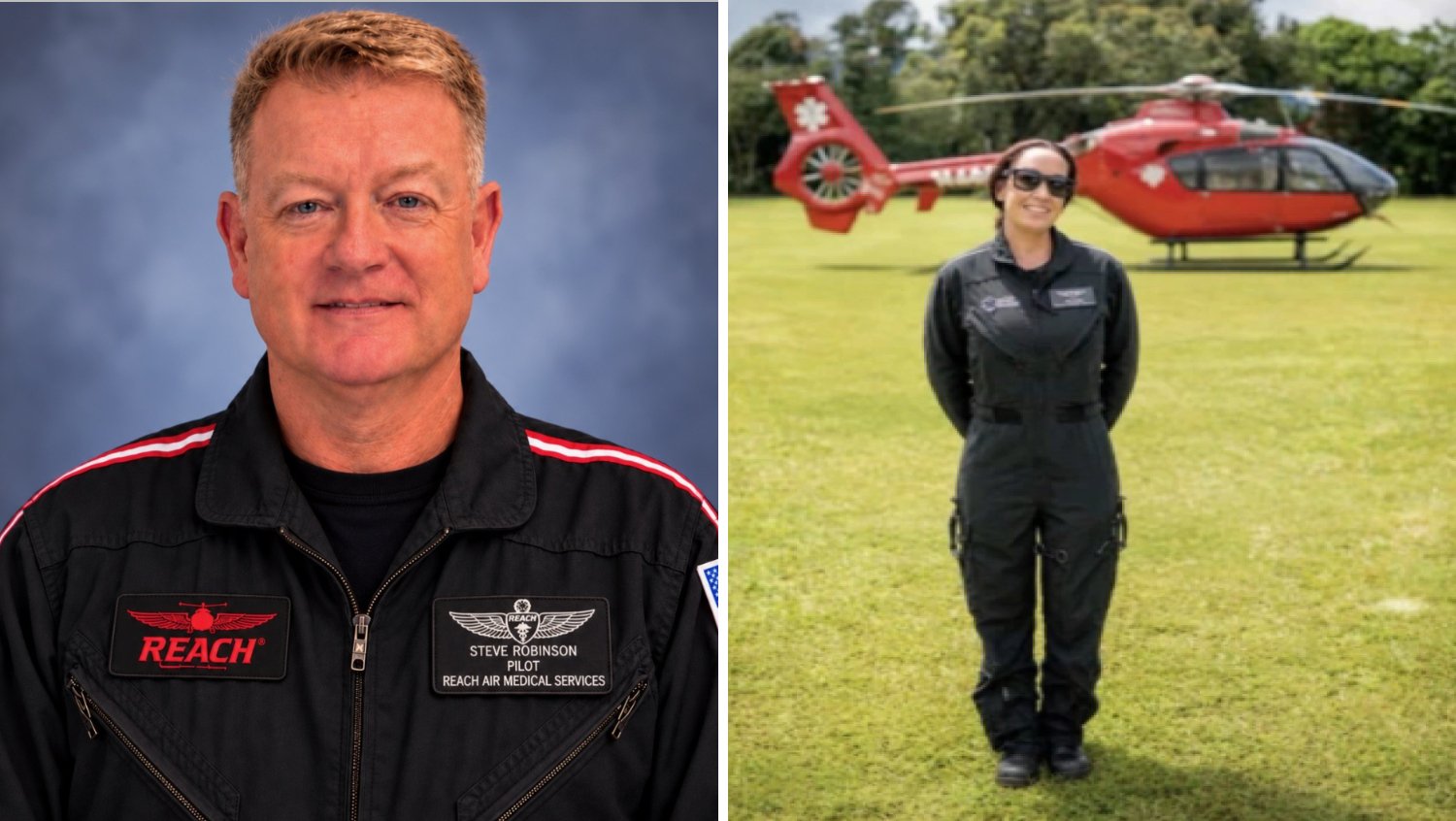
The crash killed pilot Steven Robinson, flight nurse Jessica DeVries and a patient, Catalina Hernandez, being transported to the mainland for medical treatment.
Robinson was a former U.S. Marine Corps helicopter pilot who had flown Marine One, the presidential helicopter, according to REACH Air Medical Services.
Flight crew member Brad Sparks and another passenger survived and were hospitalized.
Los Angeles County sheriff’s divers recovered the patient’s body from the wreckage the following day.
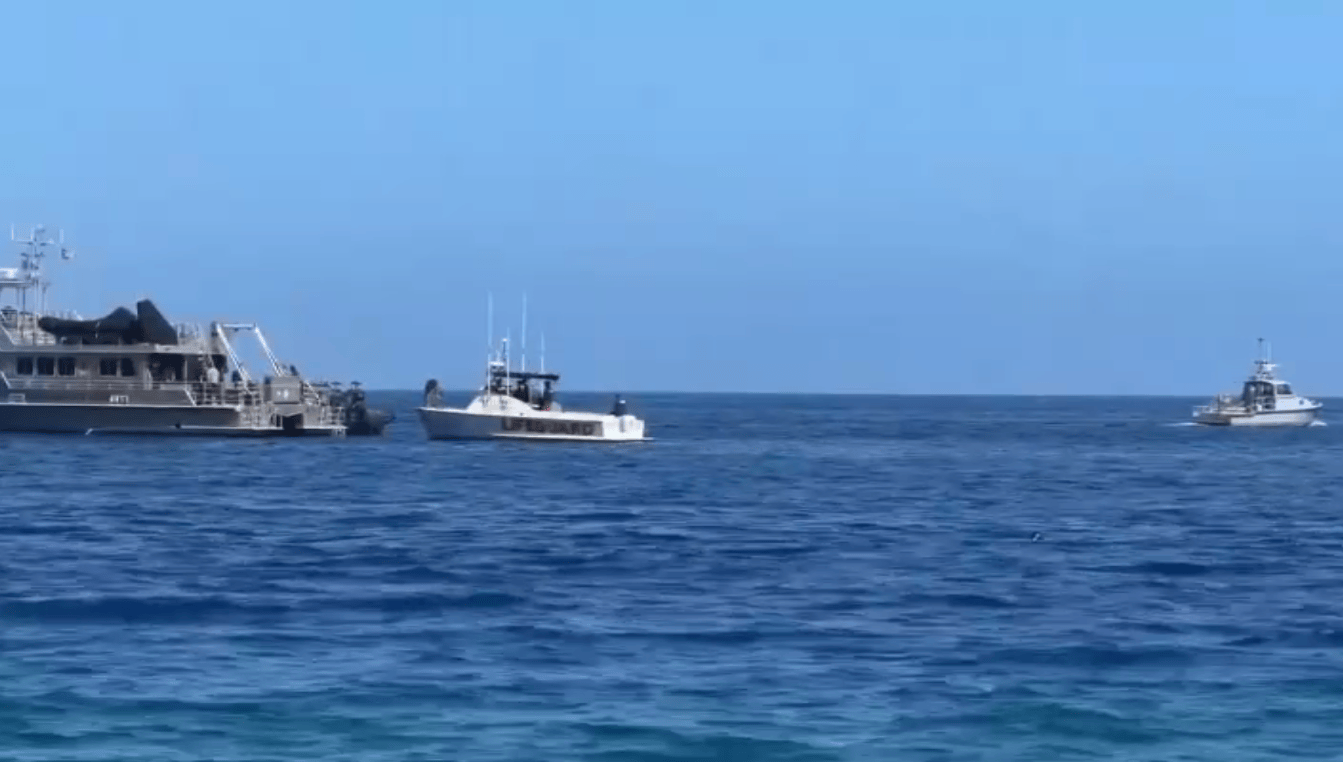
Investigators located the helicopter about three-tenths of a mile north of the seaplane base, roughly 209 feet beneath the ocean’s surface. The wreckage has since been recovered for further examination.
The NTSB has not determined the cause of the fatal crash or whether the earlier helicopter’s contact with the water was related to the accident.